
Religious and ethnic tensions have long been part of Australia’s history. In the nineteenth and early twentieth centuries these tensions revolved around the struggle of largely working-class Irish Catholics to take their place as equal citizens in the dominant Anglican/Protestant culture.
I felt this tension in my own family, as my father was a Presbyterian while my mother was a Catholic. In my early years, Catholics were not supposed to go to Protestant services or pray with them, and were discouraged from marrying them.
When I finished school I began studies to become a Catholic priest. Not unexpectedly, my father was not happy with my decision. Fortunately the Second Vatican Council (1962-65) opened new avenues for Catholic dialogue and cooperation with people of other religions or humanist traditions. This was an answer to my prayers, as ecumenical dialogue began to transform relations among the churches, greatly reducing sectarianism and healing past hurts.
Since the 1970s millions of people from all over the world have made their homes here, and many of them were not Christians. Most Australians today are proud that we embraced a truly multicultural society so well. But our religious traditions have taken longer to adjust.
It was a new experience for Australians to welcome so many people from other religions, and to see springing up mosques, temples and other places of worship in our suburbs. Australia has become a truly multifaith country.
It sounds simply like common sense now, but it reflected a remarkable shift in Catholic thinking at the time. Far from opposing interfaith meetings, Australia’s Catholic bishops today encourage Catholics to make friends with their neighbours from other religions, not to try to convert them, but to learn about their religious beliefs and practices, to respect their search for Transcendence and to walk together in expanding mutual understanding and social cohesion.
The bishops support Catholics accepting invitations from other religious traditions to visit their places of worship and learn about their hopes and beliefs. They also encourage exchange visits between parishes and non-Christian religious centres or schools.
In the past, various religions have at times been like rivals competing for adherents, rather than fellow travellers searching for meaning in life with all struggles and pain.
Our challenge is not just to tolerate other faiths, but to learn something from all of them so that, while being secure in our own religious tradition, together we can help shape a better world for future generations.
Speaking at the Interfaith Network in Dandenong in National Harmony Weekly in March this year, Australia’s Cardinal Mykola Bychok commended the Dandenong Interfaith Network and other interfaith gatherings, with their joint projects serving local needs, their advocacy for refugees and those suffering discrimination, and for creating ‘spaces for honest conversation’.
I consider our Interfaith Networks as being critical in helping chart our way forward for the wellbeing of humanity and our planet at this challenging time.
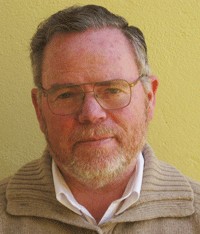
Father Bruce Duncan
IFN Member
Recent Comments