
Long before modern declarations of human rights, a revolutionary voice in ancient India challenged the core of social inequality. Siddhartha Gautama, the Buddha, looked at a deeply divided caste system and proposed a radical truth: human equality is not a political concession, but a cosmic fact.
In a world where birth determined worth, Buddhism introduced a spiritual democracy. The Buddha famously declared:
”Not by birth is one an outcast; not by birth is one a Brahmin. By deed is one an outcast, by deed is one a Brahmin.”
This simple insight shifted the definition of human value entirely from status to behaviour, directly dismantling the rigid social hierarchies of his era by insisting that spiritual and moral purity belong to no single group.
The Universal Nature of Minds
According to Buddhist philosophy, our shared equality stems from two core principles:
- Universal Potential:Every human being possesses the exact same capacity for awakening, wisdom, and compassion. Enlightenment does not care about gender, socio-economic status, or race.
- The Equalizer of Suffering (Dukkha):We are fundamentally equal because we all experience pain, aging, loss, and death. Because our vulnerability is identical, our need for kindness (Metta) is identical.
When people entered the early Buddhist monastic community (Sangha), they shed their social identities like rivers losing their names upon reaching the ocean. Princes, warriors, and untouchables slept under the same trees, ate the same food, and held equal standing. Furthermore, by establishing the Bhikkhuni (nuns) order, the Buddha broke contemporary taboos to explicitly affirm that women shared this identical capacity for highest liberation.
A Blueprint for Modern Unity
Buddhist equality is deeply actionable. It demands that we look past the surface-level constructs that divide us—our nationalities, economic brackets, and identities—and recognize the shared human consciousness underneath.
If we are all interconnected parts of the same fabric, harming another human being through systemic bias or prejudice is ultimately an act of self-harm. True equality isn’t achieved by making everyone the same; it is realized when we afford every individual the same dignity, realizing that at our core, we are all just walking each other home.
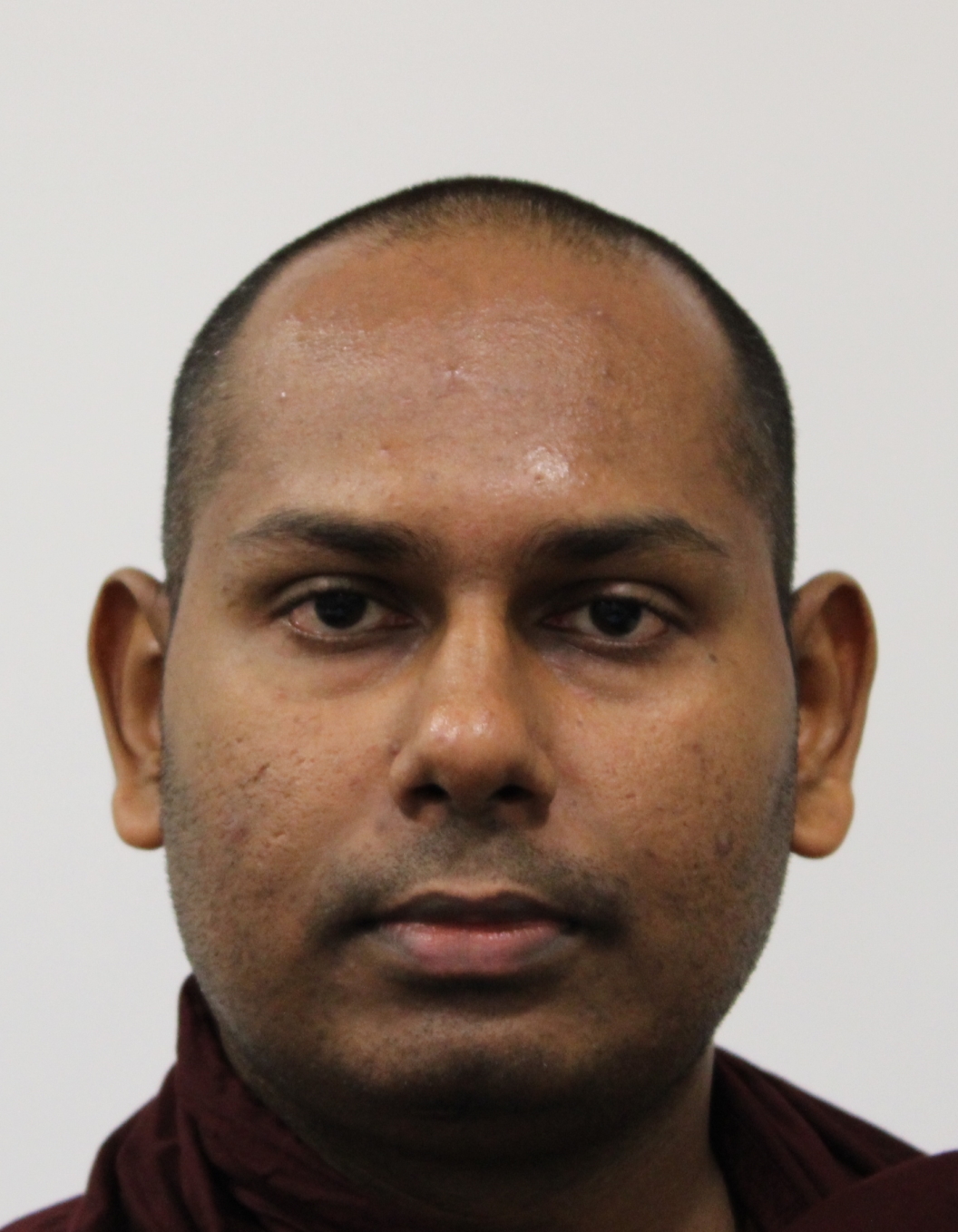
Venerable, Bandaraulpatha Gnanawimala
Recent Comments